



History of Cibes Lift Group
TL;DR: What is the history of Cibes Lift Group?
Cibes Lift Group began in 1947 in Stockholm, Sweden, when engineer Bertil Svedberg created the Cibes brand within his company Elektroborg AB. Over the decades, the group expanded internationally and developed manufacturing capacity in Sweden (Gävle) and China (Jiaxing), plus a strong footprint in North America. As of 2026, the group reports 100,000 lifts installed, around 1,800 employees, and €333 million turnover.
When was Cibes Lift founded and who founded it?
Cibes’ story starts in 1947, in Stockholm, Sweden. The founder, Bertil Svedberg, created the Cibes brand within his company Elektroborg AB. The name “Cibes” comes from CIvilingenjör BErtil Svedberg (his title and name combined).
What did Cibes build before home lifts?
In the early decades, Cibes’ engineering was rooted in industrial lifting needs. Over time, the focus expanded into solutions that support accessibility and everyday mobility, especially in low-rise buildings and homes where space and placement matter.
Why did Cibes focus on screw-driven lift technology?
In the early 1970s, Cibes introduced a screw-driven low-speed lift concept aimed at accessibility. Screw-and-nut mechanisms are often described as self-locking, which supports clear safety logic. They can also suit compact building layouts, since many residential lift designs avoid the classic requirements of deep pits or separate machine rooms.
How do screw-driven, hydraulic, and traction systems differ?
Screw-driven:
Motor turns a threaded screw; a nut travels up and down. Common strengths include self-locking safety logic, compact layout, and fewer moving parts. Common constraints are typically low speed and best fit for low-rise use cases.
Hydraulic:
A pump pushes fluid to raise a piston. Common strengths include strong lifting force and a familiar elevator feel. Common constraints include needing space for hydraulic equipment and the reality that fluid handling matters over time.
Traction or belt:
Ropes or belts move a cabin with a counterweight. Common strengths include suitability for higher travel and speed in many building contexts. Common constraints include more demanding space planning and it is often less retrofit friendly.
What are the key milestones in Cibes Lift Group history?
1947: Cibes brand created within Elektroborg AB by Bertil Svedberg, Stockholm, Sweden. Why it mattered: the start of the Cibes story.
1970s: Screw-driven low-speed lift direction takes shape, Sweden. Why it mattered: defines the accessibility and space-efficient approach.
2012: HQ, R&D, and main factory consolidated, Gävle, Sweden. Why it mattered: scale-up with engineering and manufacturing closer together.
2020: Factory plus R&D established, Jiaxing, China. Why it mattered: shorter lead times for Asia and regional product adaptation.
2021: Factory Expansion in Gdansk, Poland and Peoria, USA
2026: Scale milestone. Celebrating 10 years anniversary in Thailand.
Why it mattered: 100,000 lifts installed, around 1,800 employees, and €333 million turnover (as of 2026).

Our passion for innovation is part of our heritage.
“Providing everyone equal access rights”

Where are Cibes Lift Group factories located?
Cibes Lift Group describes core manufacturing and engineering capacity across Sweden and China, with expansion activities and capability in North America.
Factory snapshot
Gävle, Sweden:
HQ plus R&D plus main factory (consolidated). Why it exists: engineering focus and scaled manufacturing under one roof.
Gdansk, Poland:
Designed to support Sweden, Gddansk factory focus on manufacturing specific parts.
Jiaxing, China:
Factory plus R&D center. Why it exists: shorter lead times and product adaptation for Asia.
North America footprint, USA:
Subsidiary plus market expansion capability. Why it exists: local distribution and expanded reach.
What brands are part of Cibes Lift Group?
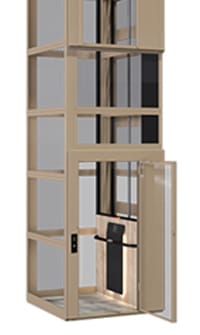
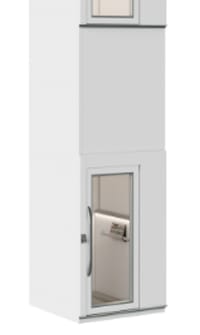
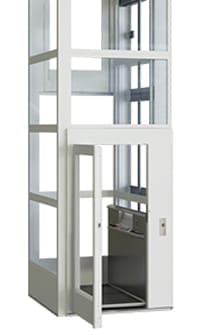
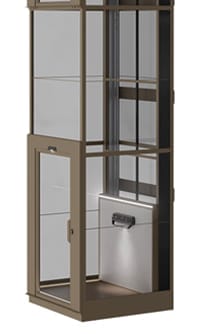
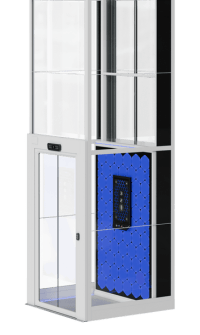
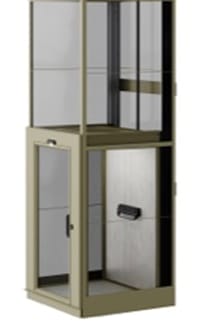
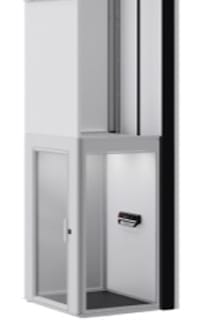
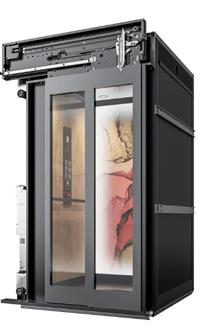
Cibes Lift Group operates as a group with multiple brands to serve different market needs. Commonly referenced brands include Cibes Lift, Kalea Lifts, and NTD Lifts, with additional local brands in certain regions.
How did Cibes expand globally, including Thailand?
Cibes Lift Group expanded through both partners or distributors and local subsidiaries in key markets. In Thailand, the group presence is represented through Cibes Lift Thailand Co., Ltd. (established 2016), serving homeowners, designers, and low-rise projects where accessibility and space planning are important.
What safety standards are relevant to Cibes-style lifting platforms?
For vertical lifting platforms used for people with impaired mobility, a key reference in Europe is EN 81-41. For buyers, the practical point is simple: standards exist to define safety requirements and testing expectations. If you’re comparing brands, ask which standards apply to the exact model you are considering, and request documentation.
What is Cibes Lift Group not designed for?
1) Not a high-rise passenger elevator
Cibes home lift solutions are generally intended for low-rise residential and similar use cases, not high-rise passenger elevator systems.
2) Retrofit depends on the building
Installation complexity varies by structure. Older homes should be checked early for placement, clearances, and local building constraints.
3) Outdoor use needs climate-specific confirmation
In humid tropical climates like Thailand, confirm outdoor specifications and maintenance planning with the local team to support long-term performance.
Pros and cons of screw-driven home lifts
Pros
- Clear safety logic (self-locking mechanism)
- Compact layouts can suit many homes
- Fewer moving parts compared with some systems
Cons
- Usually low speed compared with full passenger elevators
- Final comfort depends on engineering, installation quality, and maintenance discipline
FAQ
When was Cibes Lift founded?
Cibes dates back to 1947, when engineer Bertil Svedberg created the brand within Elektroborg AB in Stockholm, Sweden.
What does “Cibes” stand for?
It comes from the founder’s title and name: CIvilingenjör BErtil Svedberg.
How many lifts, employees, and turnover does Cibes Lift Group report?
As of 2026: 100,000 lifts installed, around 1,800 employees, and €333 million turnover.
Where are Cibes Lift Group’s main production locations?
Cibes Lift Group describes core manufacturing and engineering capacity in Sweden (Gävle) and China (Jiaxing), with a growing footprint tied to North America operations.
