

Elevator or Lift? Uncovering the Surprising History, Technology, and Global Debate Behind the Words
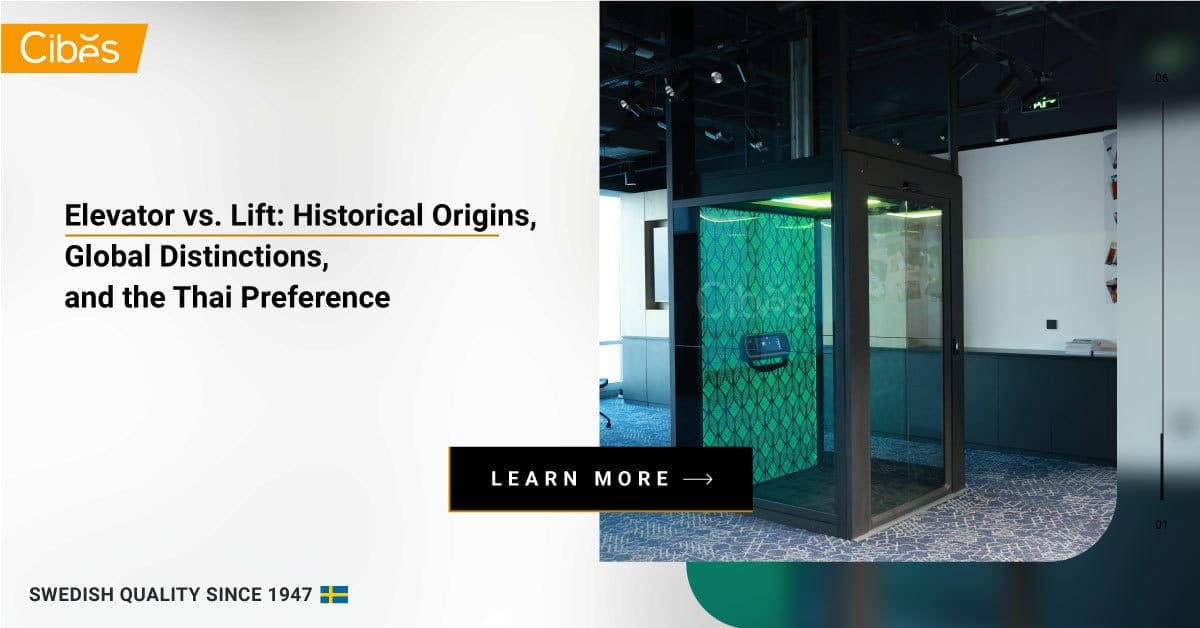
Have you ever stepped into a vertical transport cabin in a building and paused, wondering, “Am I in an elevator or a lift?” You’re not alone. While they both serve the same fundamental purpose of whisking you between floors, the words we use for them tell a rich and fascinating story of innovation, linguistic evolution, and deep-seated cultural history.
This comprehensive guide will take you on a journey through time to explore the historical origins of “elevator” and “lift,” delve into the technological marvels that made them possible, and finally settle the global debate once and for all.
Key Takeaways
- “Elevator“ is the term of choice in American English, a legacy of the American inventor Elisha Otis and his groundbreaking safety brake.
- “Lift“ is the preferred term in British English and is widely used across the Commonwealth, influenced by the pioneering work of British inventor Sir William Armstrong in hydraulic crane technology.
- The choice of word is purely based on geography and linguistic history; the technology and function are identical.
- In Thailand, “lift” is the more common term due to a combination of historical British influence, strong ties with Commonwealth nations, and alignment with international business and tourism standards.
The Dawn of Vertical Travel: From Ancient Hoists to Royal Luxuries
Long before the gleaming, high-speed elevators of today, the concept of vertical transportation was already taking shape in the ancient world. The earliest recorded mention of an elevator-like device comes from the Roman architect Vitruvius, who reported that Archimedes, the great Greek mathematician, built a primitive elevator in 236 BC. These early contraptions were simple hoists, powered by human or animal labor, using ropes and pulleys to lift heavy loads.
The Roman Colosseum, completed in 80 AD, featured a surprisingly sophisticated system of around 25 elevators. These were used to hoist animals and gladiators from subterranean chambers up to the arena floor, adding an element of surprise and spectacle to the games.
Fast forward to the 18th century, and the personal passenger lift made its debut as a symbol of royal opulence. In 1743, King Louis XV of France had a “flying chair” installed at the Palace of Versailles to provide his mistress with discreet access to her third-floor apartments.
The Industrial Revolution: A Catalyst for Change
The Industrial Revolution in the 19th century was the true game-changer for vertical transportation. The advent of steam power and new construction techniques, particularly the use of steel beams, created the perfect environment for the development of modern elevators and lifts. The insatiable demand for moving raw materials like coal and lumber in mines and factories spurred a wave of innovation.
Team “Elevator”: An American Invention Forged in Safety
The term “elevator” has its roots firmly planted in the United States, and its story is inextricably linked with one man: Elisha Graves Otis. In the 1850s, elevators were considered dangerously unreliable. The hemp ropes used to hoist them were prone to snapping, sending the cab plummeting to the ground.
Otis, a master mechanic, tackled this problem head-on and invented the safety brake. His design was simple yet ingenious: a spring-operated pawl system that would engage with racks on the sides of the elevator shaft if the hoisting rope broke, bringing the car to an immediate halt.
To prove the effectiveness of his invention, Otis staged a dramatic demonstration at the 1854 New York World’s Fair. He stood on an elevated platform, high above a crowd of onlookers, and ordered the rope to be cut. The crowd gasped as the platform dropped a few inches, only to be stopped by the safety brake. “All safe, gentlemen, all safe,” he proclaimed.
This event was a turning point. Otis’s safety elevator transformed vertical transportation from a risky proposition into a safe and viable means of moving people. The first commercial passenger elevator was installed in a New York City department store in 1857, and the term “elevator” became the standard in American English.
Team “Lift”: A British Innovation Powered by Hydraulics
Across the Atlantic, the term “lift” was gaining traction in Great Britain. This was largely due to the work of Sir William Armstrong, a brilliant British inventor who pioneered hydraulic crane technology. His system used water pressure to raise and lower heavy loads, and it was quickly adapted for use in vertical transportation.
Hydraulic lifts were smoother and more powerful than their steam-powered counterparts, and they became the preferred choice for many applications in the UK. As a result, the term “lift” became deeply embedded in British English.
The Global Divide: A Linguistic Map of Vertical Transportation
The “elevator” vs. “lift” debate isn’t just a matter of personal preference; it’s a reflection of global linguistic and cultural trends:
- “Elevator” is primarily used in: The United States, Canada, and other regions where American English has a strong influence.
- “Lift” is the go-to term in: The United Kingdom, Ireland, Australia, New Zealand, India, South Africa, and most other Commonwealth countries.
Why Thailand Prefers “Lift”: A Blend of History and Modernity
In Thailand, you’re far more likely to hear and see the word “lift.” This preference is a fascinating blend of historical factors and modern-day practicalities:
- Historical British Influence: While Thailand was never colonized by a Western power, it had significant diplomatic and trade relations with Great Britain during the late 19th and early 20th centuries. This period of close contact introduced the British English term “lift” into the Thai vocabulary.
- Commonwealth Connections: Thailand’s strong and enduring diplomatic, economic, and cultural ties with Commonwealth countries like Australia, India, and Malaysia have reinforced the use of “lift.”
- International Standards: As a major global hub for business and tourism, Thailand often adopts terminology that is widely understood by international visitors. Since “lift” is the more common term in a larger number of English-speaking countries, it has become the de facto standard in many public spaces, hotels, and office buildings.
The Cibes Perspective: A European Standard with Global Reach
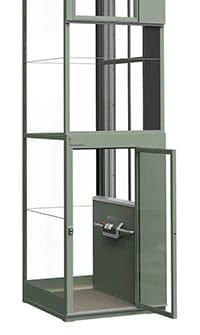
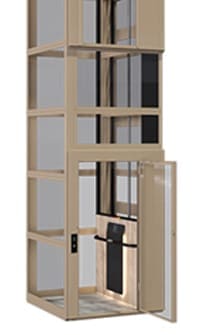
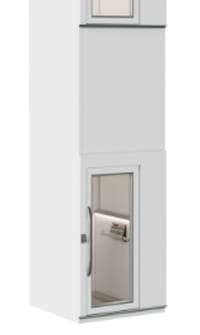
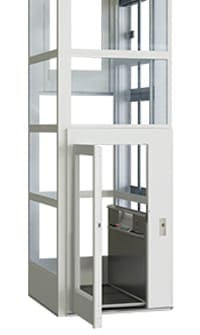
As a Swedish manufacturer of platform lifts and home elevators with a global presence, Cibes uses the term “lift” for several key reasons:
- Linguistic Influence: British English has had a more significant impact on many European languages, including the adoption of the word “lift.”
- Regional Consistency: Using “lift” allows for clear and consistent communication across our diverse European markets.
- European Standards: The European Union’s safety standards for lifts, known as EN 81, officially use the term “lift.” Adhering to this terminology ensures compliance and clarity.
- Market Familiarity: Ultimately, our goal is to connect with our customers in the language they understand and use. In regions where “lift” is the common term, we use it to ensure our products are easily understood and well-received.
Frequently Asked Questions (FAQ)
Q: Are there any technological or functional differences between an elevator and a lift?
A: Absolutely not. The terms are completely interchangeable from a technological standpoint. Whether it’s called an elevator or a lift, the machine that transports you between floors operates on the same principles. The difference is purely linguistic and geographical.
Q: What was the first building to have a passenger elevator?
A: The first commercial passenger elevator was installed in the E.V. Haughwout Building, a five-story department store in New York City, on March 23, 1857. This elevator, designed by Elisha Otis, was steam-powered and traveled at a leisurely 40 feet per minute.
Q: How have elevator and lift safety standards evolved over time?
A: Safety standards have evolved dramatically since Otis’s invention. Modern elevators and lifts are equipped with a host of safety features, including door sensors, emergency brakes, backup power systems, and sophisticated control systems that monitor speed and position. Regulatory bodies around the world, such as the American Society of Mechanical Engineers (ASME) and the European Committee for Standardization (CEN), continually update and refine safety codes to ensure the highest level of protection for passengers.
Q: What are some of the most impressive elevators and lifts in the world?
A: The world is home to some truly remarkable elevators and lifts. The Bailong Elevator in Zhangjiajie, China, is a glass elevator built onto the side of a massive cliff, offering breathtaking views. The Hammetschwand Lift in Switzerland is the highest exterior lift in Europe, providing stunning panoramic vistas of the Alps. The Gateway Arch Tram in St. Louis, Missouri, is a unique elevator system that transports visitors to the top of the iconic arch.
Q: What does the future of elevators and lifts look like?
A: The future of vertical transportation is exciting. We can expect to see “smart” elevators that use AI to predict traffic patterns and optimize routes, destination dispatch systems that group passengers going to the same floors, and even ropeless elevators that can move both vertically and horizontally. Sustainability is also a key focus, with new technologies being developed to make elevators more energy-efficient. The Cibes Lift Group is proud to work of the “Cibes Way 5 Pillars” with its long term sustainability plan.
Q: What do other non-English speaking countries call these Elevators or Lifts?
A: The terminology in non-English speaking countries often depends on their historical and linguistic ties. For example, in many Spanish-speaking countries, the term is “ascensor.” In French-speaking regions, it’s “ascenseur.” In Germany, you’ll hear “Aufzug.” These terms often have their own unique etymological histories.
Q: Does the choice of “elevator” or “lift” have any impact on the cost, quality, or safety of the product?
Not in the slightest. The choice of terminology is purely a matter of linguistic convention and has no bearing whatsoever on the product’s quality, safety, performance, or price. A high-quality lift from a reputable manufacturer will be just as safe and reliable as a high-quality elevator from another.
A Tale of Two Words, One Revolutionary Invention
The difference between “elevator” and “lift” is a fascinating testament to the rich tapestry of innovation, the global spread of technology, and the subtle yet powerful ways in which language evolves. Whether you call it an elevator or a lift, one thing is for certain: this incredible invention has fundamentally transformed our cities, our architecture, and the way we live and work. The next time you step inside one, take a moment to appreciate the centuries of ingenuity that have made your vertical journey possible.
Make the first step and ask us for a free consultation and/or visit so we can help you design the perfect and most beautiful lift that matches your needs. You can contact us via Line @cibes