
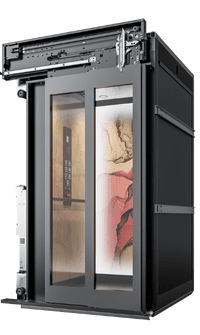
Table of Contents
Cibes Talk EP3 – Let’s talk with us about lift for your home!
Traction lifts, or traction elevators, are essential in modern buildings, providing efficient and reliable vertical transportation. They are extensively used in both residential and commercial high-rise structures due to their speed, smooth operation, and energy efficiency. In this blog, we will explore the workings of traction lifts, including their components, operation, advantages, drawbacks, and maintenance requirements.
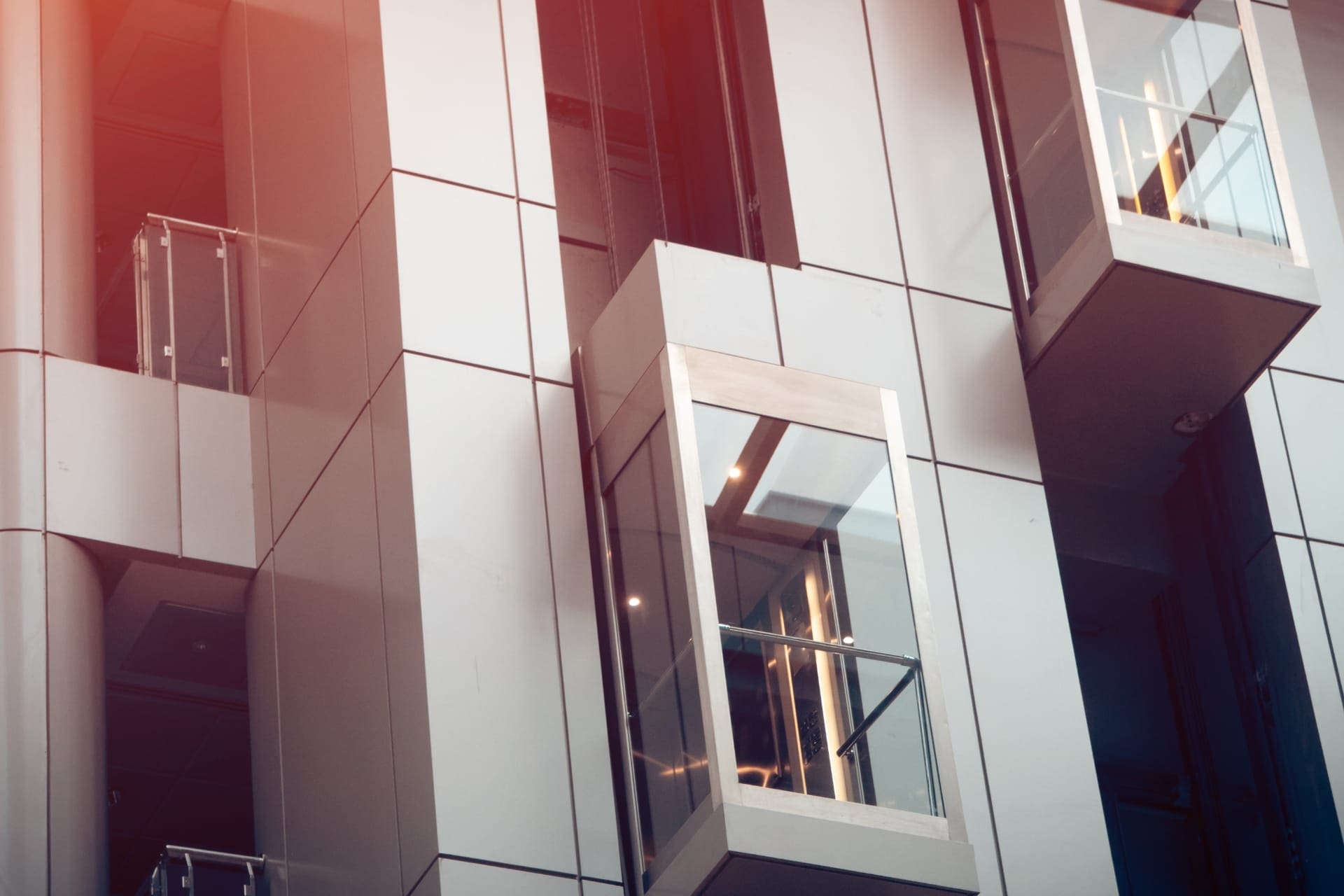
Traction elevators are essential in modern buildings, Screw Driven lift is the best choice for home lift limited 6 floors.
Understanding Traction Lifts and Other Lift Types
Traction lifts operate using a system of ropes and counterweights, unlike hydraulic lifts that use a piston mechanism. The friction between the ropes and the drive sheave (a grooved pulley) facilitates the movement of the elevator car, resulting in faster and more energy-efficient operation, particularly suitable for multi-story buildings.
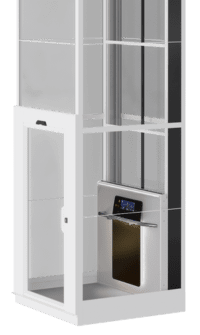
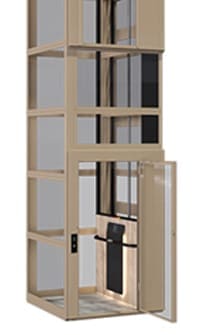
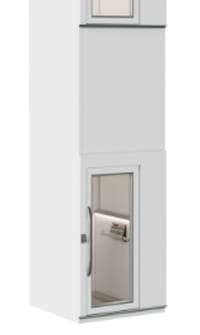
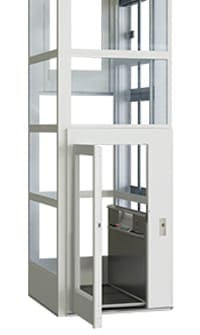
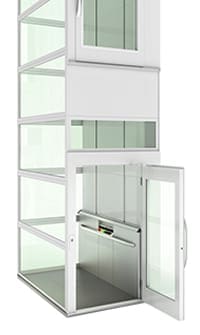
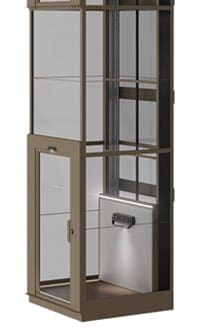
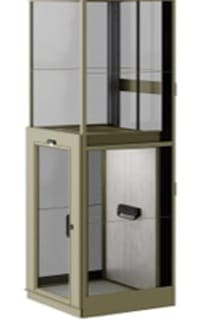
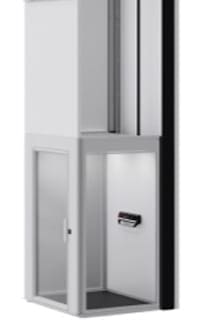
Another popular lift type is the screw-driven home lift, such as those offered by Cibes. These lifts employ a screw and nut mechanism to move the elevator car, providing several benefits:
– Compact Design: They require less space and no machine room, making them perfect for home installations.
– Energy Efficiency: They use less power compared to traditional lifts.
– Smooth Operation: The screw mechanism ensures a quiet and smooth ride.
– Safety and Reliability: These lifts feature built-in safety mechanisms and are renowned for their reliability.
Components of a Traction Lift
- Traction Machine: The core of the system, comprising an electric motor, drive sheave, brake, and gear (in geared systems), providing the power to move the elevator car.
- Elevator Car: The compartment for transporting passengers or goods vertically within the hoistway.
- Counterweight: Balances the elevator car, reducing the energy required to lift the car and enhancing safety.
- Hoistway: The shaft in which the elevator car and counterweight move, equipped with guide rails for stable travel.
- Control System: Manages the elevator’s operations, including speed, acceleration, and stopping points.
- Safety Devices: Features like emergency brakes, overspeed governors, and door interlocks ensure safe operation.
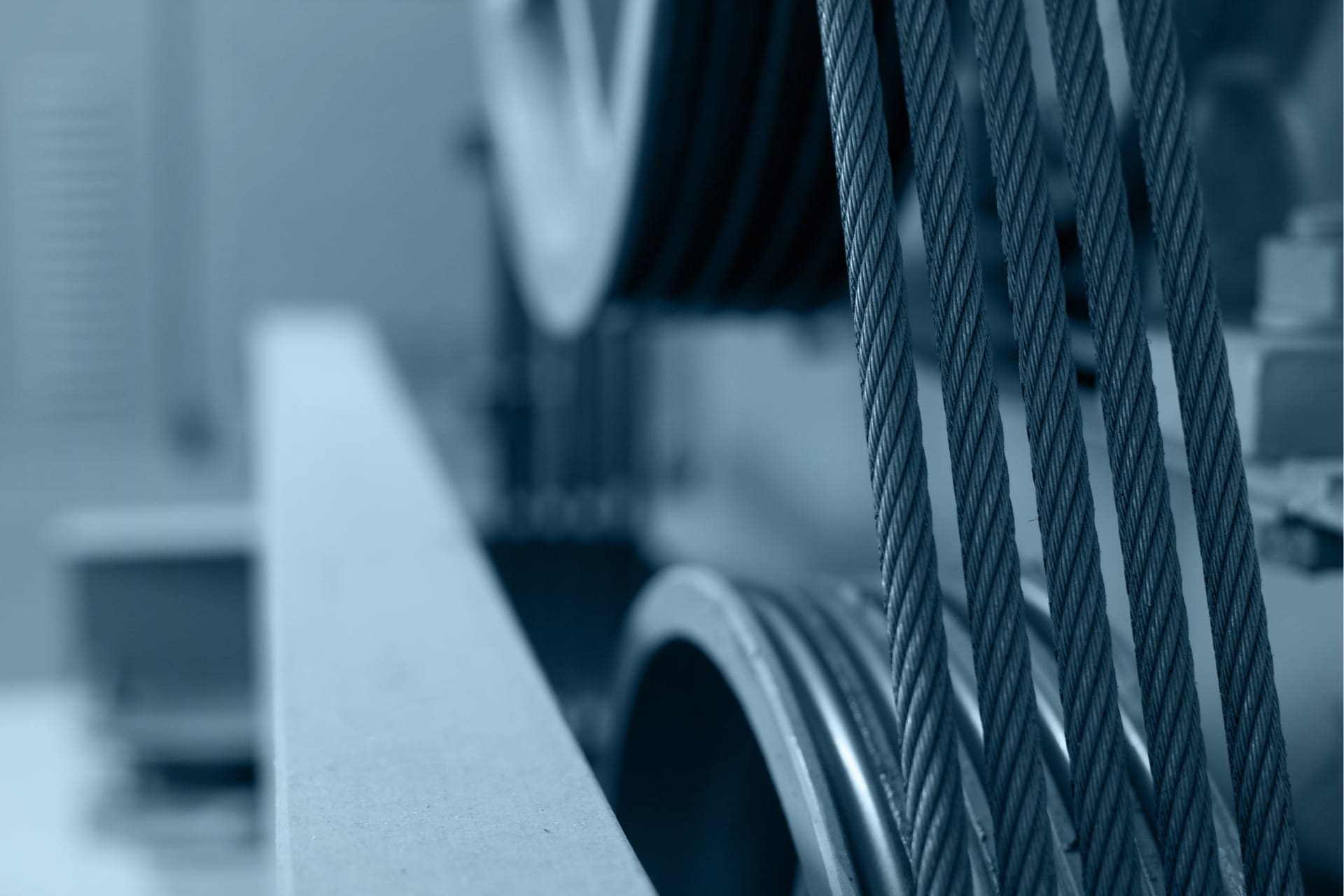
Maintenance of traction lift is a lot frequency, it is minimum one time per month
How Traction Lifts Work
Traction lifts operate with the traction machine, typically located in a machine room above the hoistway. When the lift is called, the motor turns the drive sheave, creating friction with the ropes, and moving the elevator car. The counterweight moves in the opposite direction to balance the load and reduce the motor’s workload.
Types of Traction Lifts
– Geared Traction Lifts: Utilize a gearbox attached to the motor to drive the sheave, suitable for mid-rise buildings, balancing speed and cost.
– Gearless Traction Lifts: The motor is directly connected to the sheave, allowing smoother and faster operation, ideal for high-rise buildings.
Advantages of Traction Lifts
– Efficiency and Speed: They can travel faster, making them suitable for tall buildings like condominums, office towers or department stores.
– Energy Consumption: The counterweight system reduces the motor’s workload, leading to lower energy use. But the comsumption is still higher than home lifts.
– Smooth Ride: Advanced control systems and counterweight balancing provide a smooth ride as long as the maintenance is duly respected.
Drawbacks of Traction Lifts
Despite their advantages, traction lifts have some drawbacks:
– Weight and Footprint: Require a significant structural footprint and strong structural support both in the ground and all the way up of the hoistway.
– Cabin Space vs. Footprint: The space needed for the counterweight and ropes means the cabin space is less efficient compared to the total footprint. Up to 3 times more than a Cibes Home lift for examples
– Limitations with Panoramic Glass: Designing traction lifts with large glass panels is challenging and expensive, limiting aesthetic options.
– Frequent Maintenance: Regular maintenance is required to ensure safety and efficiency.
– Early Parts Replacement: Components like ropes and sheaves may need early replacement, increasing long-term maintenance costs.
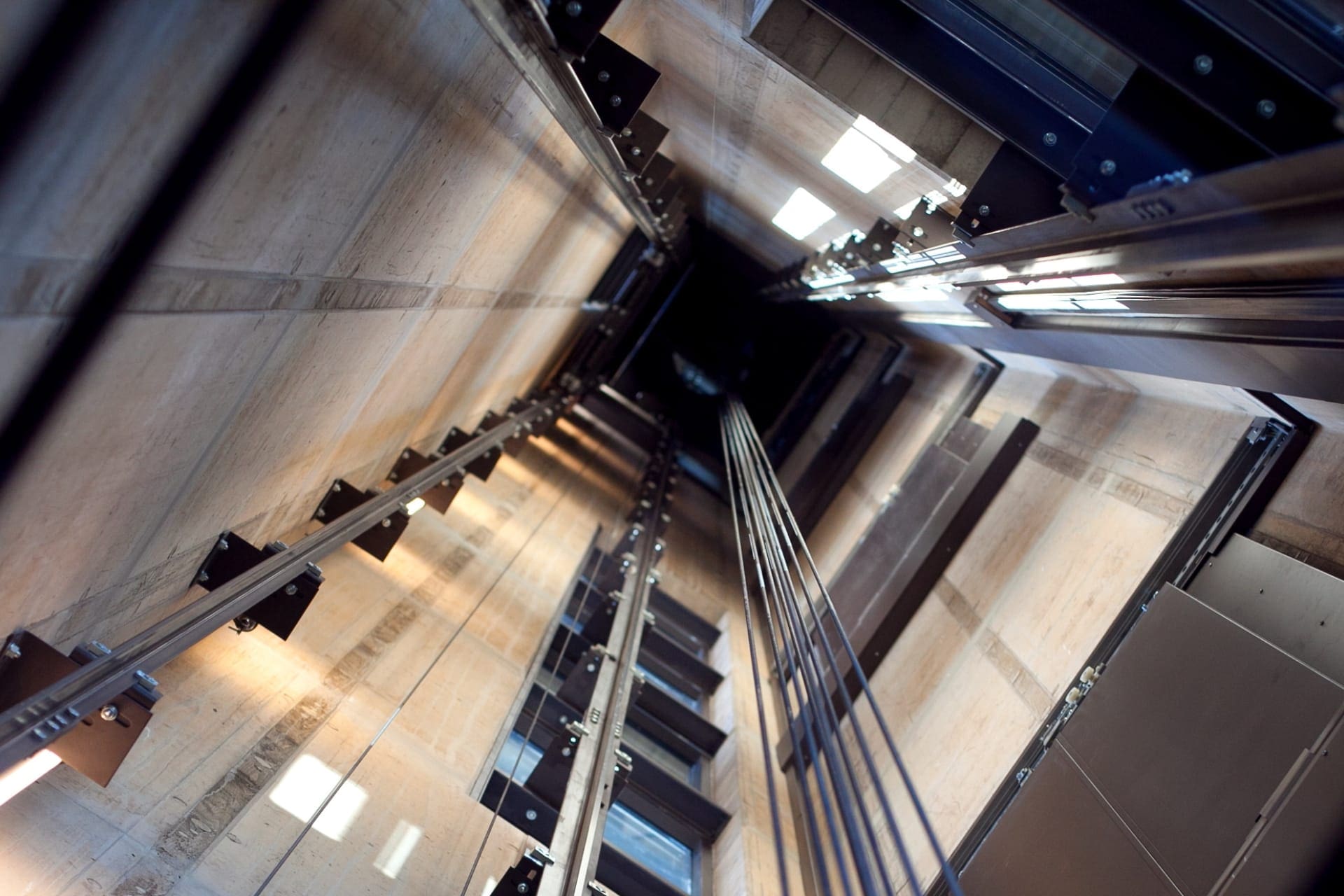
Traction Lifts have drawback, and traction lift need maintenance for safety every users
Maintenance and Safety
Regular maintenance is essential for the safe and efficient operation of traction lifts. Key tasks include routine inspections, lubrication, and safety checks. Professional servicing is vital to address any issues promptly and maintain performance standards.
Conclusion
Traction lifts are a cornerstone of modern vertical transportation, offering speed, efficiency, and reliability. Understanding their workings and benefits helps building owners and managers make informed decisions when selecting a lift system. With proper maintenance and the adoption of new technologies, traction lifts will continue to play a vital role in urban infrastructure.
For more information or to consult about the best lift system for your building, please contact us. Explore our related articles and services to learn more about the latest in lift technology.
Contact us! Get more information at Cibes Lift (Thailand) Co., Ltd.
Bangkok Showroom
2113, 1 New Phetchaburi Rd., Bang Kapi, Huai Khwang, Bangkok 10310
Chiang Mai Showroom
123/6 Moo 15 Irrigation Road, Suthep , Mueang Chiang Mai, Chiang Mai 50200
Phuket Showroom
20/82 (Park plaza D) Boat Lagoon Village No. 2, Thepkrasattri Road,Koh Kaew , Mueang , Phuket 83000
You can read more about the Cibes showroom at Cibes elevator company from Sweden has expanded 3 branches to serve customers all over Thailand.
https://www.cibeslift.co.th/homelift-form for contact us soon!